You Will Never Get Everything Done: How Journaling Helps You Choose What Actually Matters

You will never get everything done. The sooner you accept that, the sooner you can choose what actually gets your attention.
I know that sounds bleak. It didn't sit well with me the first time I encountered it either. But the more I've sat with it, the more it feels like the most honest thing anyone has said about productivity.
There is a specific kind of tiredness that comes not from doing too much, but from holding too much. I felt it most sharply a few weeks ago. At work, the pile wasn't shrinking. At home, my wife is days away from our second child arriving, which means I'm carrying more of the household than usual. The school run, the cooking, the things that just need handling. The to-do list wasn't a list anymore. It was a weather system.
And yet, the answer isn't a better app or a tighter system. The more honest question is which of these things actually deserves to be here.
That's the question my journal has learned to ask.
The problem with every to-do list

Most task management advice is built on a quiet lie. Find the right approach and you'll eventually feel on top of things. Better categories. A smarter app. A tighter weekly review. The promise is always that clarity and completion are waiting on the other side of a better method.
They're not. The list is infinite. Your time isn't.
Gary Keller makes a related point in The One Thing. His central question is simple. What's the one thing you can do right now, such that by doing it, everything else becomes easier or unnecessary? It sounds simple. But it's actually a sharp challenge to how most of us organise our days, where we treat every item on the list as roughly equally deserving of our time, and work through them in the order they arrived.
Keller's question forces a different move. Not "how do I get through all of this?" but "which one thing, if done, makes the rest smaller?"
I don't have a perfect answer to that question every week. But the act of asking it has changed how I use my journal.
What journaling actually does for a full list
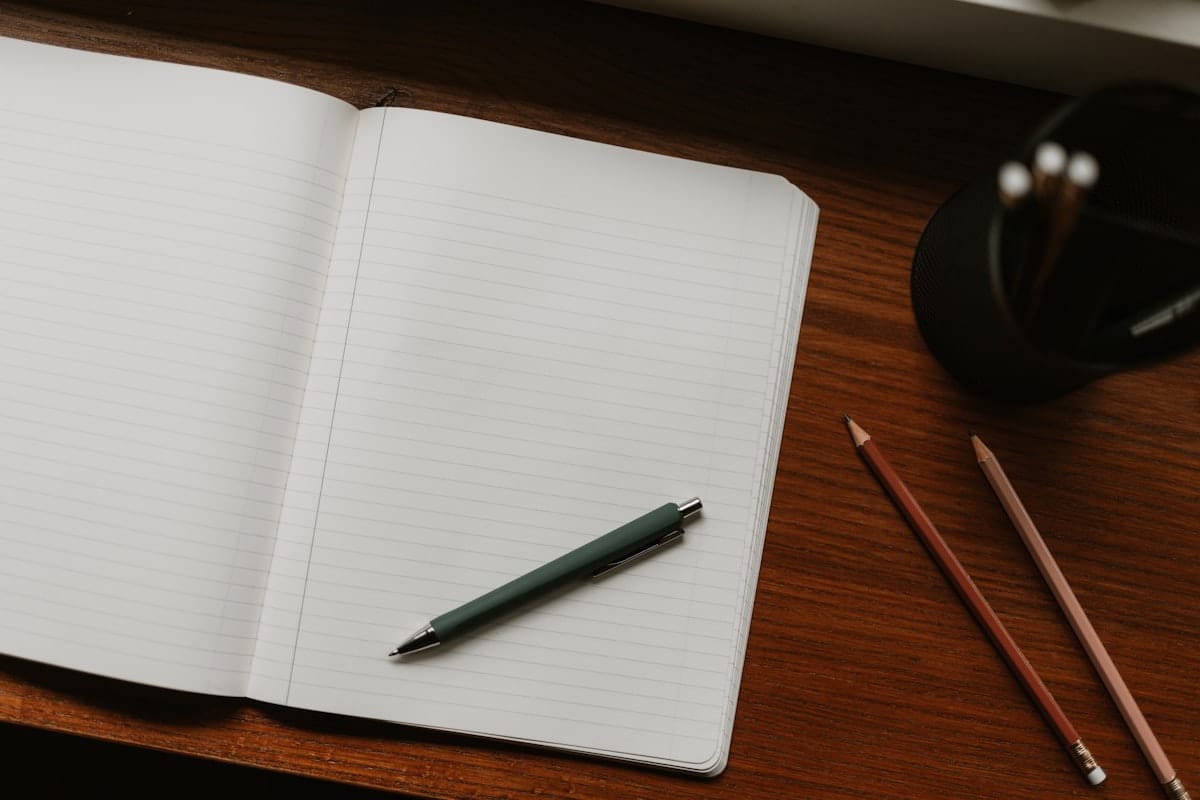
I want to be honest about this, because there's a version of "journaling and productivity" that sounds passive, like writing things down is an alternative to doing them.
That's not what I mean. My bullet journal is a working tool. It's functional, not decorative. The daily log, the migrations, the weekly review. These are how I move through a demanding week without losing track of what matters.
But the most useful thing my journal does isn't capture tasks. It's interrogate them.
When I sit down with it in the morning, especially on a heavy week, I'm not just writing down what needs doing. I'm asking which of these things actually belongs on today's page. Migration in the BuJo practice isn't just a mechanical transfer. It's a small moment of judgement. If something has been migrated twice and I'm still not doing it, that's information. Either it matters and I need to protect time for it, or it doesn't and I should drop it.
Seneca wrote that it is not that we have a short time to live, but that we waste a great deal of it. I think about this when I'm migrating tasks that have followed me through three weeks without being touched. The question isn't why I haven't done them yet. It's whether they ever deserved to be on the list.
The weekly review as an editing process
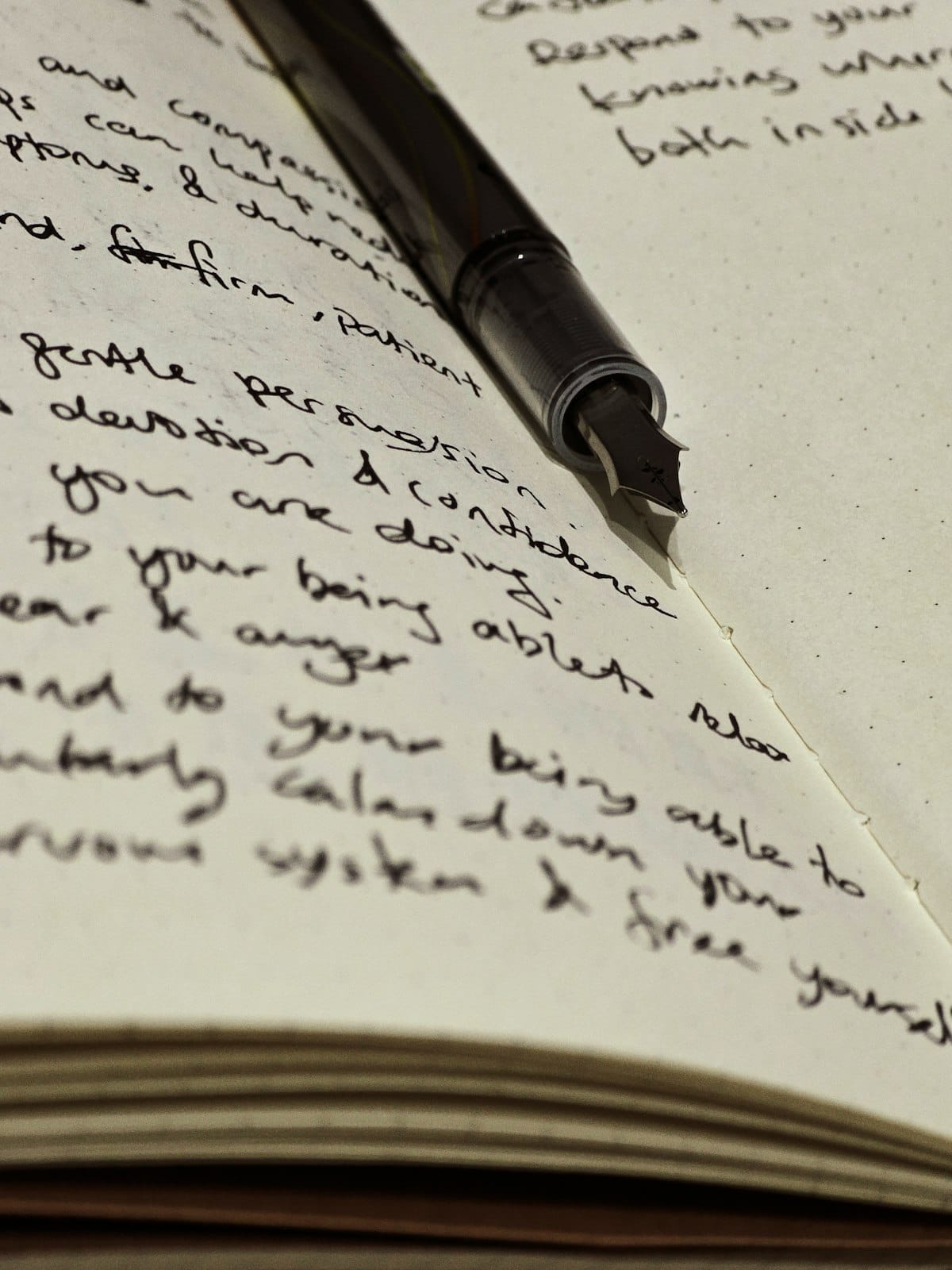
The weekly review is where this becomes most concrete for me. I try to treat it less like an audit and more like an edit.
An edit asks whether this belongs here. Is it serving the thing I'm actually trying to do this week, or is it noise that accumulated the shape of importance?
Some things on my list are genuinely mine. A project I care about, something I promised someone, a task with real consequences if it slips. Those stay. Others are there because they felt urgent when I wrote them, or because saying no would have required a conversation I avoided. Those get a harder look.
Burkeman again. “Doing something imperfectly today beats waiting for the perfect conditions that never arrive”. This is the part I've found hardest to internalise. I have a tendency to keep a task on the list because I haven't found the right moment for it, the right headspace, the right stretch of uninterrupted time. But that moment mostly doesn't come. The edit forces me to either commit to imperfect action or admit the thing isn't happening and let it go.
My weekly review now ends with a question I borrowed loosely from Keller. What is the one thing, if I do it this week, that makes everything else feel manageable? I write it at the top of the new week's page. It doesn't always hold. But having it there changes which decisions I make when things get busy and I have to choose.
The intention underneath the list

There's one more layer to this that I'm still working out.
Migrations and weekly reviews help me manage what's already on the list. But Seneca's point goes deeper. Reclaim time before you lose it. Don't wait for a quieter season to start living deliberately.
The quieter season isn't coming. A new child is arriving within days. The list will be longer than ever. The question isn't how to get through it all, it's what I want to have actually done when I look back at this stretch of time.
That question belongs in the journal too, not as a grand life-audit exercise, but as a quiet, regular check-in. What am I actually trying to do this week, underneath all the tasks? What would make this week feel like it mattered, not just like it got done?
I don't always write this down. But when I do, it changes what ends up on the daily log. Some things fall away entirely. Others, things I'd been quietly deprioritising for weeks, suddenly seem obvious.
The list will never be empty. That's not the goal. The goal is to know, at the end of the week, that the things you crossed off were the right things.
This week, open your journal before you open your task list. Write one sentence. What's the one thing, if I do it this week, that makes everything else feel manageable? Put it at the top of the page. Then build your list around it.
See you soon.


Member discussion