The Best Watches Under €500: A Guide for People Who Just Want a Great Watch Part 1

A friend asked me recently what to buy as a first proper watch. Not a smartwatch, a proper one, something he'd actually wear for years. He had a budget of around €500 and no idea where to start.
I ended up writing him a fairly long message. Then I thought: this probably applies to more than one person.
The watch market is bewildering from the outside. There are thousands of options across every price point, from €15 digital icons to €30,000 Swiss dress pieces, and the marketing around most of them will convince you that you need to spend more than you actually do to get something worth wearing. That's mostly not true.
I own watches across a wide range of this spectrum. A Hamilton Murph that I love and wear most days. A Casio F91W that costs about €15 and I reach for without hesitation. A G-Shock that I'll never worry about. Between those, a few other pieces that have each earned their place for different reasons.
This is what I'd recommend if someone asked me how to spend up to €500 on a watch in 2026. Not a comprehensive catalogue, just an honest guide to the best options at each level, with the reasons behind each pick.
Under €50: the Casios that need no justification
Casio F91W: €15–25

The most-sold watch in human history. Roughly three million units a year since 1989, and the design hasn't changed because it doesn't need to.
I own one. I wear it. It tells the time with a seven-year battery life, a stopwatch, an alarm, and a calendar pre-programmed to 2099. At sub-€20, it costs less than most watch straps. There is nothing at this price that competes with it for sheer function-per-euro.
The downsides are real: resin crystal, dim backlight, 30m water resistance that doesn't mean swim-safe. But for a daily beater or a travel watch you're not worried about losing, it's essentially perfect.
Casio AE-1200WH "Casio Royale": €30–45
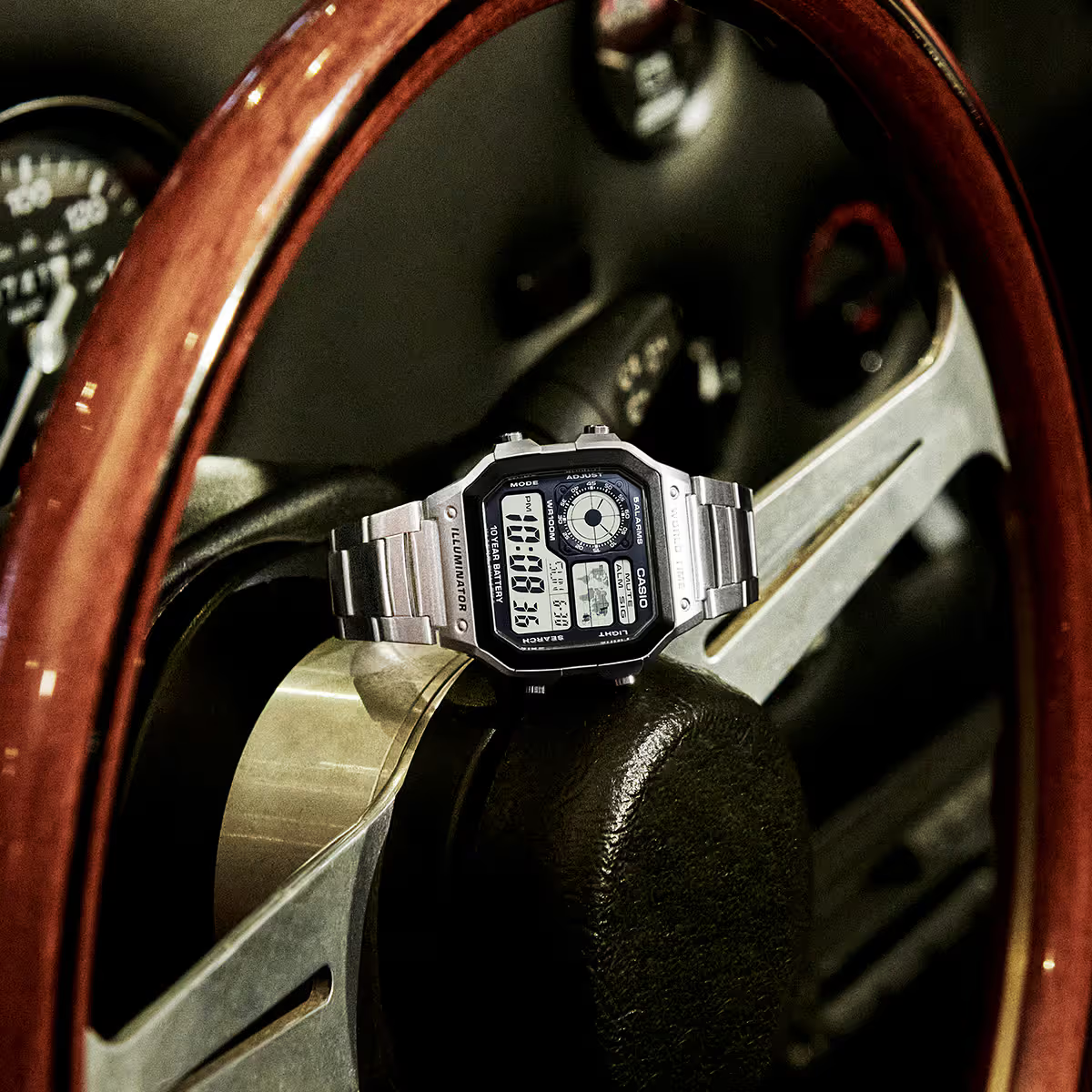
Named by the internet for its resemblance to the Seiko worn by Roger Moore as Bond in Octopussy. For under €40 you get world time across 48 cities, genuine 100m water resistance (you can actually swim with it), five alarms, a countdown timer, and a ten-year battery. The cockpit-style dial with its tiny analog sub-dial is genuinely fun to look at.
I was given this as a work anniversary gift and it earned permanent rotation immediately. It does things that watches costing twenty times more don't. The stiff strap is the only complaint worth making, and an aftermarket strap fixes that for under €10.
Under €100: the G-Shocks
G-Shock DW-5610U: €70–99
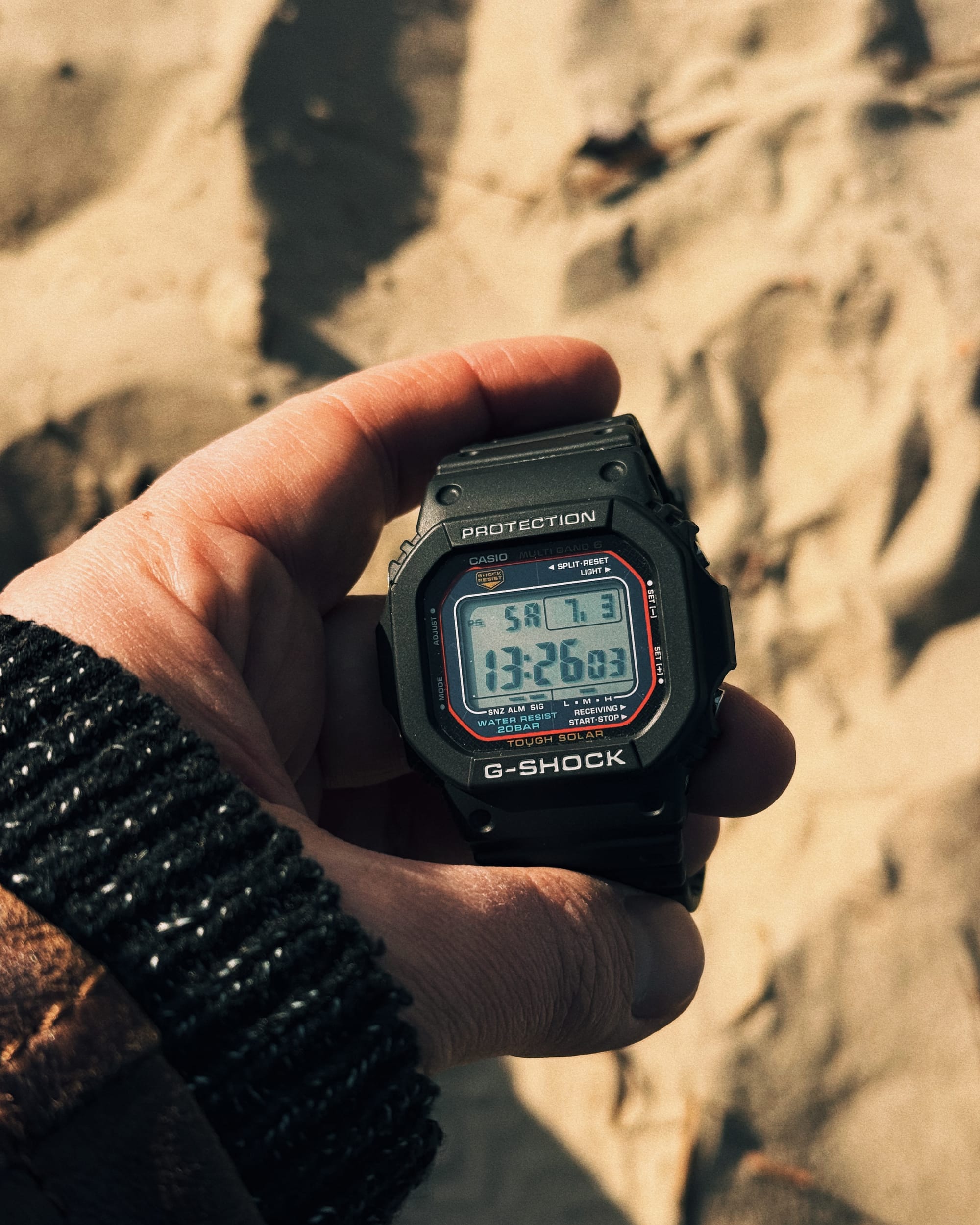
The direct descendant of the original 1983 G-Shock. The watch that invented the category and still defines it.
200m water resistance. Genuine shock resistance, not just a marketing label. The square case is one of the most recognisable shapes in watch design. The upgraded module from 2023 brings a cleaner LED backlight. At around €80, it's essentially indestructible timekeeping.
I reach for this on weekends or any day where I know the watch might take some punishment. It has never given me a reason for concern.
G-Shock GA-2100 "CasiOak": €99–140
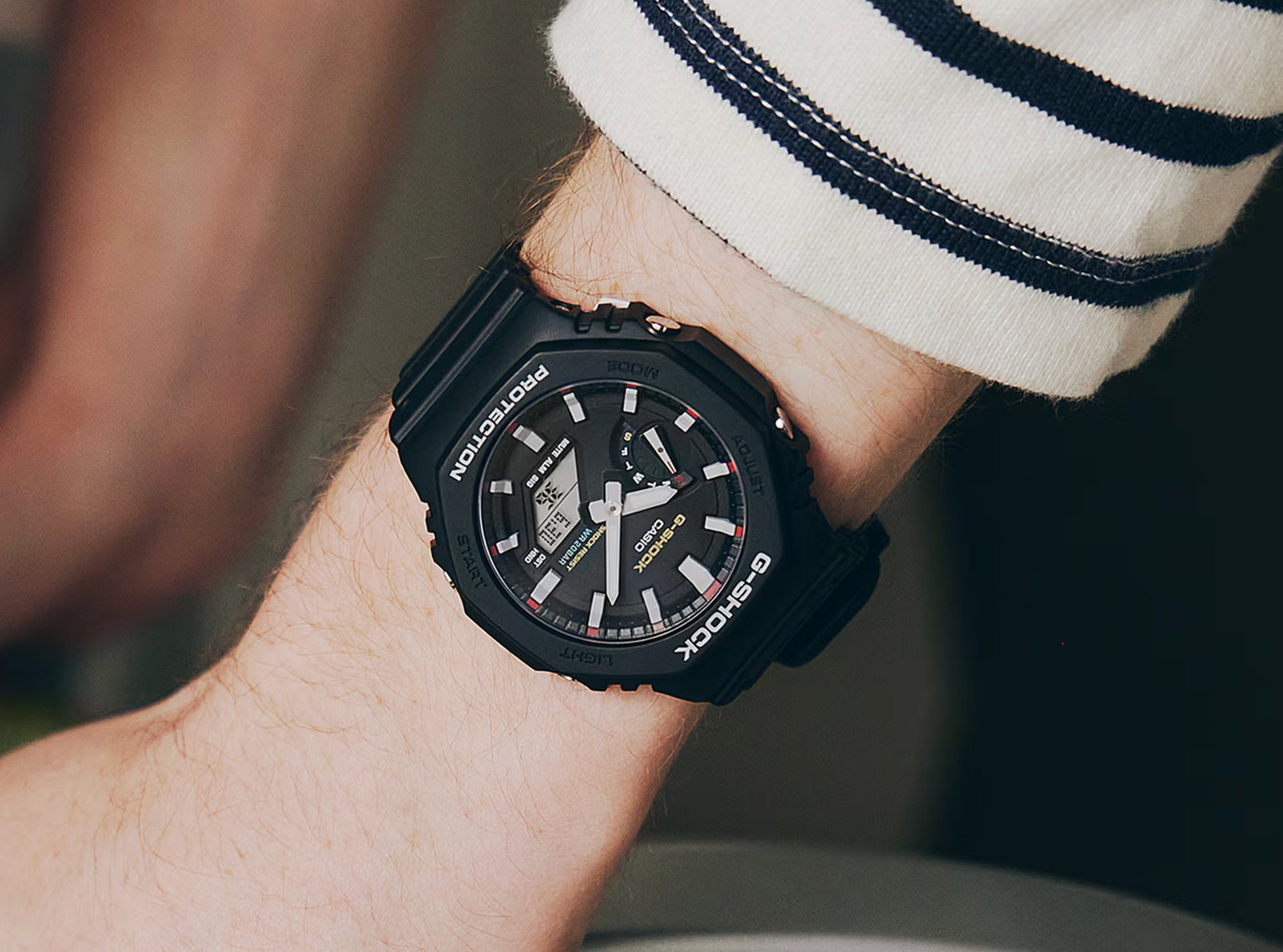
For those who find the DW-5600 too utilitarian, the GA-2100 is the answer. Its octagonal bezel draws an obvious comparison to the Audemars Piguet Royal Oak. At just 11.8mm thick it's the slimmest G-Shock ever made, weighs 51g, and still delivers 200m water resistance and full shock protection.
The result is a watch that works in casual and semi-formal settings the DW-5600 can't reach. If you want one G-Shock that covers more situations, this is it. The solar Bluetooth version (GA-B2100, around €140) solves the standard model's short three-year battery life and is worth the extra spend.
Under €350: The Dress Watch
Orient Bambino — €275–340
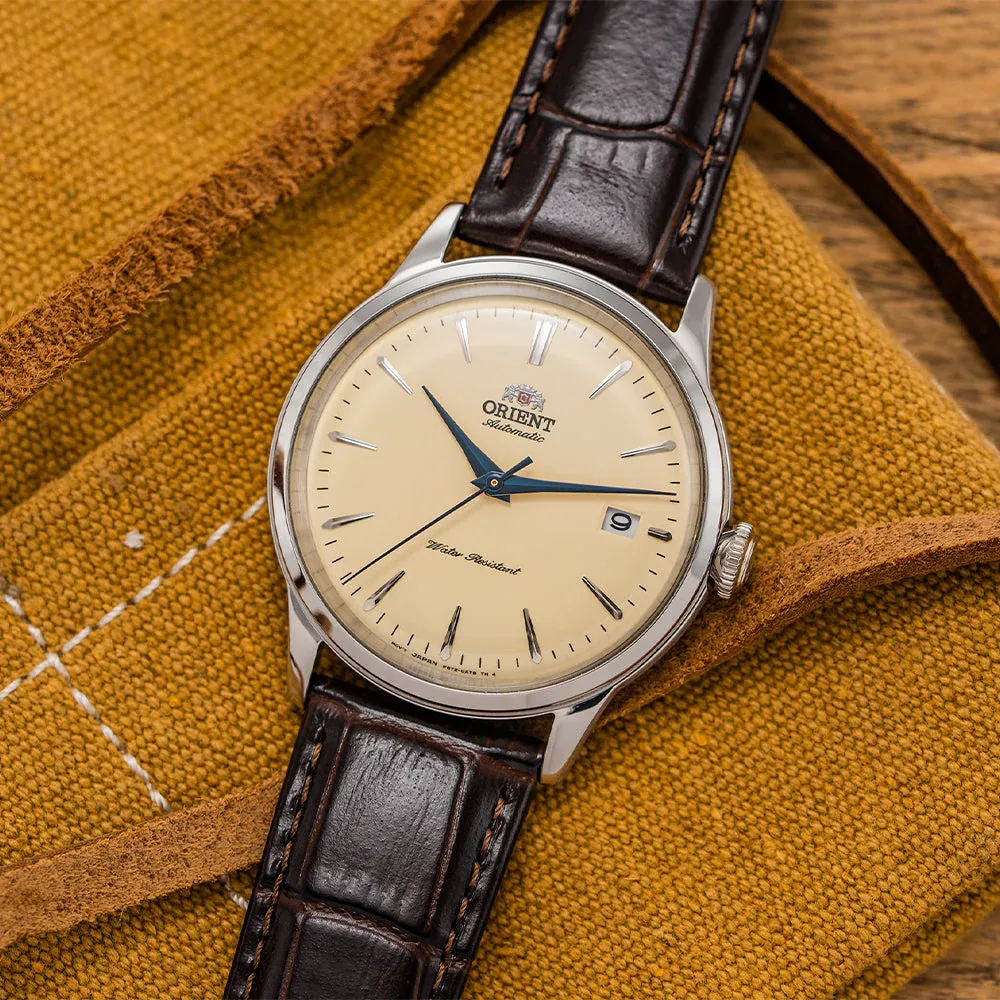
For anyone wanting an automatic dress watch rather than quartz, the Bambino is the answer, and it has been for over a decade.
Orient is a Japanese manufacturer owned by Seiko Epson but produces its movements independently. The Bambino's signature is its domed mineral crystal over a domed dial, a combination that gives it a distinctly vintage look at a price that makes the competition difficult to justify. The in-house Cal. F6724 hacks and hand-winds, runs a 40-hour power reserve, and is accurate to roughly ±25 seconds per day. It's not a precision instrument. It's a reliable, characterful automatic that costs a fraction of what you'd pay for equivalent finishing from a Swiss brand.
The 2026 no-date 38.4mm version is the pick. Cleaner dial, better proportions for most wrists, and the new easy-swap strap system means changing leather in seconds without tools. Mineral crystal rather than sapphire is the main compromise, and 30m water resistance means treating it accordingly. But for an automatic dress watch you'll reach for on evenings out, nobody has beaten the Bambino at this price in years.
Under €400: where the interesting things start
Orient Mako III / Kamasu: €275–375
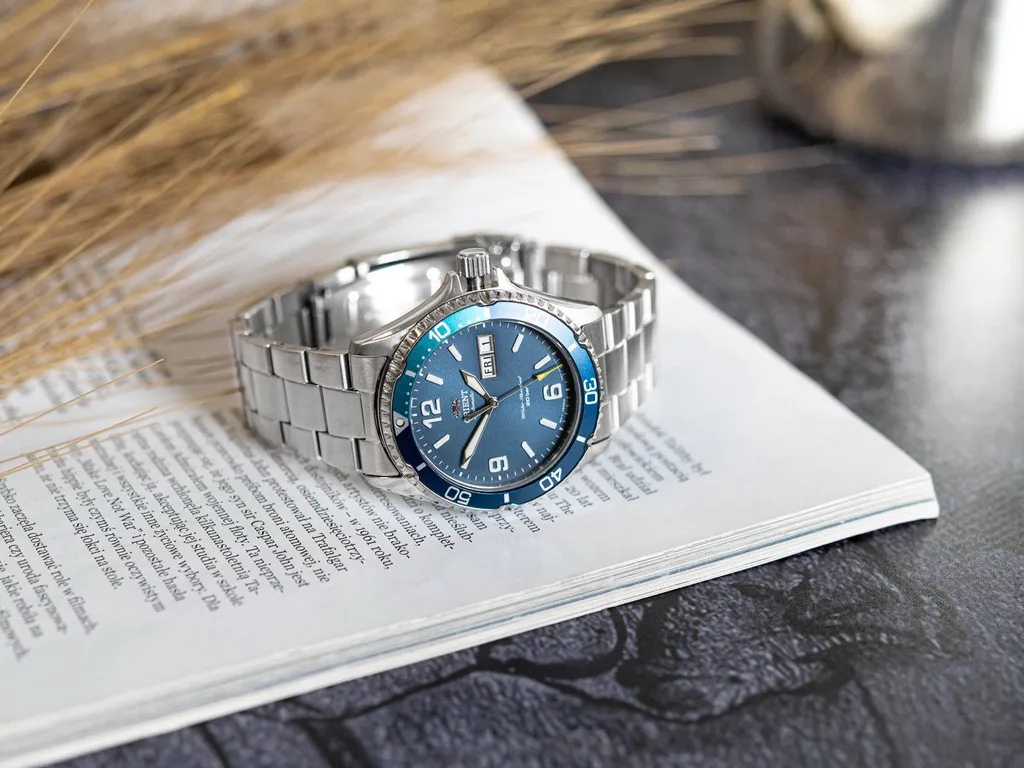
An in-house automatic movement at under €350 is almost unheard of. Swiss brands charge multiples of this for third-party movements at far less interesting specs.
The Mako III and Kamasu (essentially the same watch with different dial styling) deliver a 41.8mm case, sapphire crystal, 200m water resistance with a screw-down crown, day/date, and a smooth 120-click unidirectional bezel. The Cal. F6922 movement hacks and hand-winds. The sunburst dials in blue, black, and green are genuinely beautiful.
The bracelet is the weakest point and benefits from an aftermarket upgrade, but the core watch is exceptional at this price. If you want your first automatic diver without compromising on the things that matter, this is the one.
Tissot PRX Quartz 40mm: €350 (street from ~€270)
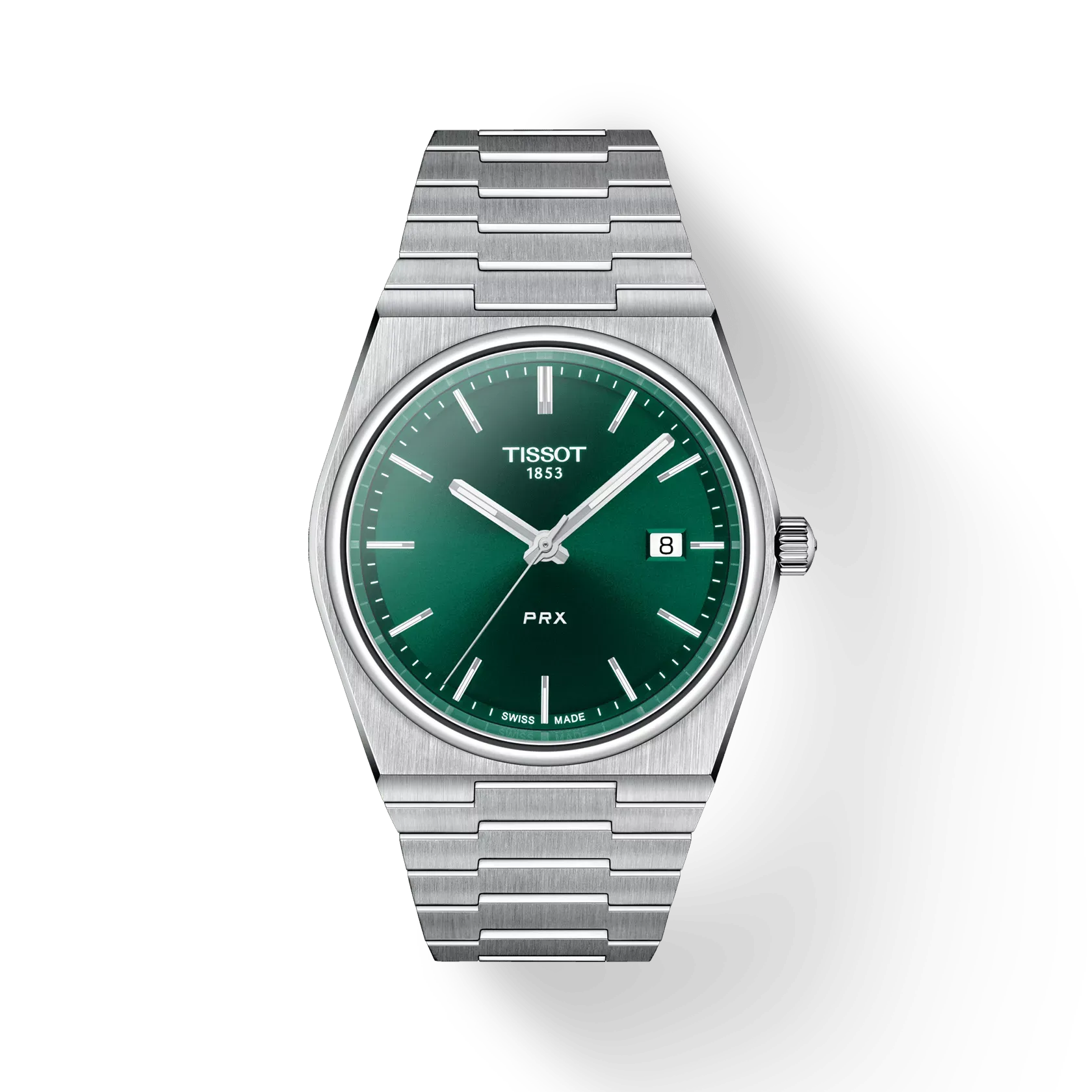
One of the best-value watches on the market, full stop. The PRX delivers the integrated-bracelet sports aesthetic of watches costing ten times more, with sapphire crystal, Swiss manufacture, 100m water resistance, and brushed-and-polished finishing that is genuinely exceptional at this price.
At 10.4mm thick it slips under a shirt cuff. The blue dial version is the pick. If you want a Swiss watch that works equally well with a suit and jeans and doesn't shout about itself, the PRX quartz is the answer. The automatic version (PRX Powermatic 80) runs around €525, just over budget, and worth the stretch if you want the mechanical movement.
Under €500: the mechanical sweet spot
Seiko Presage Cocktail Time: €380–430
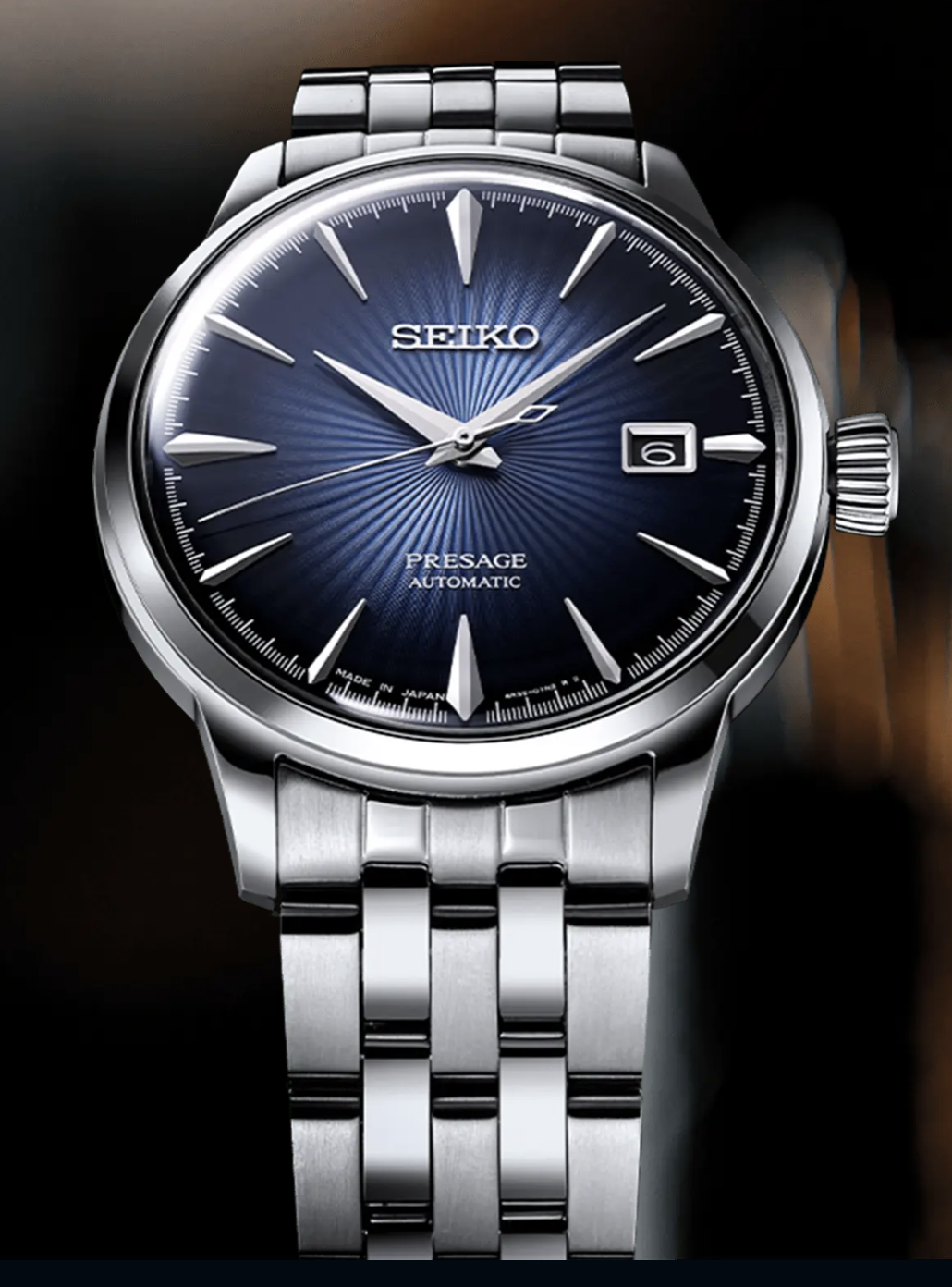
The benchmark for automatic dress watches under €500. The Presage Cocktail Time line is well-known for dial finishing that rivals pieces costing three to five times more. Sunburst gradients, barleycorn guillochés, textured surfaces, all executed at a level that Swiss brands reserve for far higher price points.
The 4R35 movement is reliable, hacks, and hand-winds. The display caseback shows the movement running. The 39.5mm SRPJ13 is the pick for wrist sizes that need to go under a shirt cuff. The only meaningful compromise is Hardlex crystal rather than sapphire, and the power reserve of 41 hours is modest. At around €400, it remains one of the most genuinely impressive watches you can buy at any price.
Tissot PR516 Chronograph Quartz: €495–575
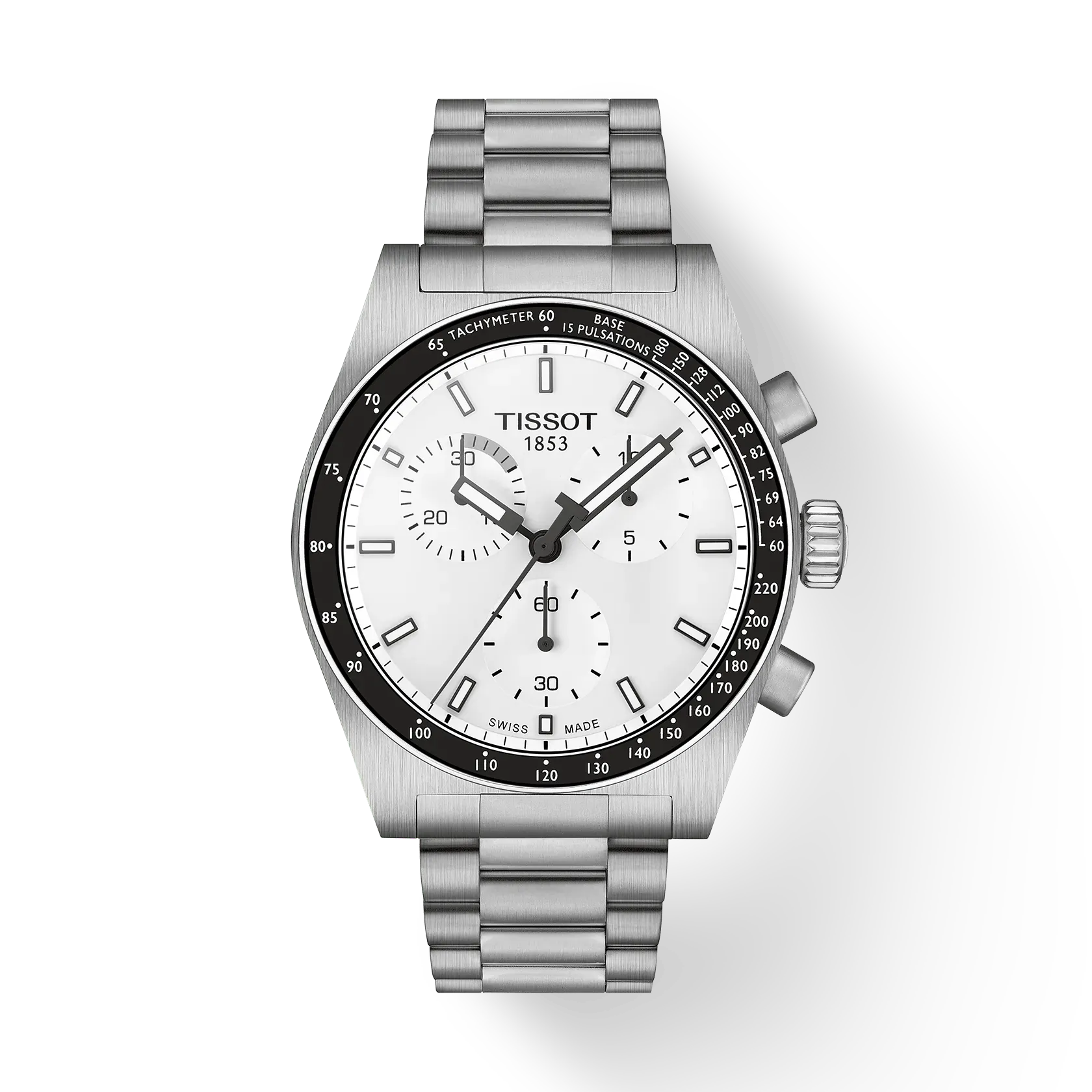
The only chronograph worth recommending at this budget. A mechanical chronograph from a credible brand at under €500 doesn't really exist, so the choice is quartz or nothing. The PR516 makes a compelling case for quartz.
The 1970s motorsport-inspired design is one of Tissot's most interesting references: 40mm, a tachymeter bezel, a "bean" bracelet with quick-release, and a retro racing aesthetic that looks better in the real world than it does in product photos. Swiss-made, sapphire crystal, 100m water resistance. If you want a chronograph under €500, this is where you end up, and you won't feel like you settled.
The stretch pick: Hamilton Khaki Field Mechanical 38mm (€550–600)
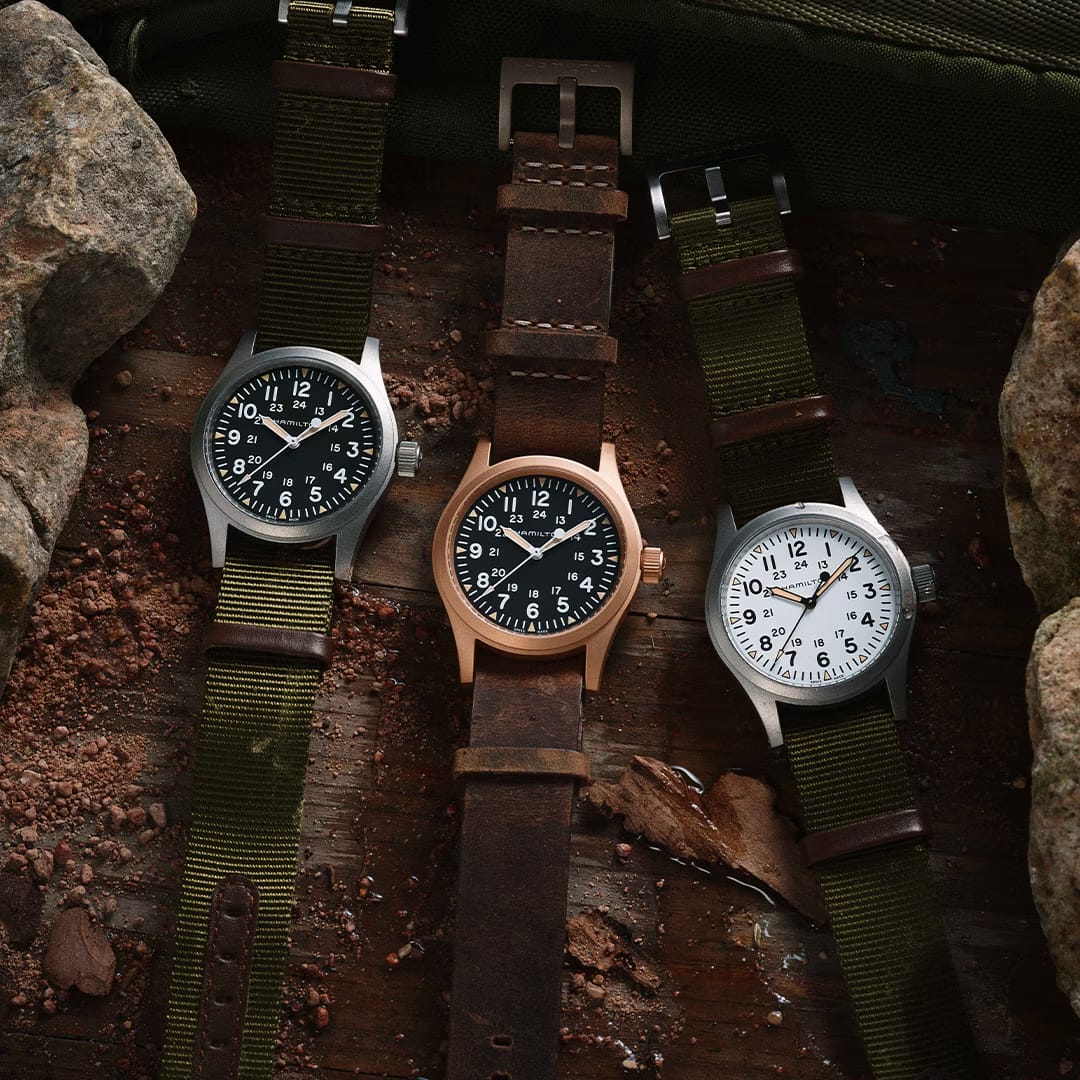
Technically over the budget ceiling, but by a small enough margin that it deserves mention.
The Khaki Field Mechanical is a faithful recreation of the 1960s Hamilton military field watch. Hand-wound, 38mm, 9.5mm thick, antimagnetic balance spring, sapphire crystal, and an 80-hour power reserve that means winding it twice a week is enough. Almost nothing from Switzerland competes at this price with these specs.
If you can stretch the budget slightly, this is where I'd spend it. It's one of the cleanest, most honest mechanical watches made, and it wears beautifully on every kind of occasion.
The watch you wear every day doesn't need to be expensive. It needs to be right for how you live. The F91W on your wrist is more useful than the Rolex in the drawer. That's the only principle that matters here.
If any of these spark something and you want to talk watches, I'm easy to find. And if you're just starting down this road, fair warning: it rarely stops at one.


Member discussion